What To Pack For A Half-Day Hike Without Overpacking
Author:Alina
|
Released:March 3, 2026
A half-day hike packing list will be able to fit in a little day pack with space left. But still, too many hikers carry heavy packs full of gear that they never touch. Excess weight makes you move more slowly and turns what is an enjoyable activity into an unwarranted effort.
The idea is to carry with you precisely what you need to be safe and comfortable, without carrying things that just rest in your pack. This is the way to balance it.
Items You Should Always Bring
1. Water
Water is the number one item regardless of the length of a hike. Dehydration results in fatigue, headaches, and poor decision-making long before you feel seriously thirsty. Always bring at least one liter of water for every two hours of hiking, and more in hot weather or at higher elevations. A hydration bladder or reusable bottle also works well.
2. Food
Food maintains your energy even on shorter trips. Pack more than you think you will eat. Trail mix, an energy bar, or a sandwich is lightweight, yet it helps prevent the energy crash that can make the last few miles miserable.
The National Park Service suggests that hikers always carry more food than planned in case they end up staying longer in the park [1].
3. Navigation
Navigation helps prevent small deviations from turning into serious situations. Download a trail map of the area before you start hiking, so it remains accessible when you lose cell signal. Apps such as AllTrails, Gaia GPS, and CalTopo allow offline map access once downloaded. A basic compass and a paper map are also useful if your phone runs out of battery.
4. Sun Protection
Even on short hikes and cloudy days, sun protection is important. Sunglasses, sunscreen, and a hat are lightweight but help prevent painful sunburns that can ruin your trip. The higher the elevation, the stronger the UV exposure becomes, so protection becomes even more necessary.
UV exposure is often underestimated outdoors. These items are small in weight but effective in preventing long-lasting discomfort and skin damage.
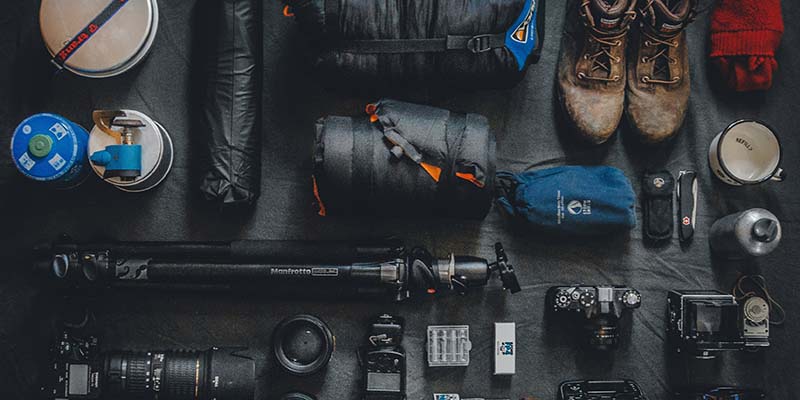
Lightweight Safety Essentials
1. First Aid Kit
A basic first aid kit is used to treat the minor injuries that do occur on trails. Most situations can be covered with adhesive bandages, blister treatment, pain relievers, and antiseptic wipes. Ready-made ultralight systems offered by Adventure Medical Kits are less than three ounces. Reserve a full wilderness medicine kit for backcountry overnight trips.
Most hiking issues are minor, but treating blisters or cuts early can prevent them from becoming serious problems later.
2. Emergency Layer (Insulation / Weather Protection)
In case of changing conditions or delays, an emergency layer provides much-needed warmth. An emergency bivvy or a lightweight wind jacket weighs almost nothing, yet it can help prevent hypothermia if afternoon storms arrive or if an accident forces you to wait for help. Mountain weather can change quickly.
This item is about protection against unexpected weather. Even in mild conditions, temperatures can drop fast, especially at higher elevations or when you are not moving.
3. Headlamp
A headlamp may not seem necessary for morning hikes, but it is one of the most important safety items if plans change. Many hikers underestimate return time and end up on the trail after dark. Being caught without a light can be dangerous. Modern LED headlamps weigh only 1–2 ounces and fit easily into any pocket. The American Hiking Society identifies illumination as a key essential regardless of planned hiking duration [2].
Even a short delay can turn a daylight hike into a nighttime situation, and a headlamp significantly improves safety and orientation.
What You Can Leave At Home
Complete water filtration systems introduce an undue amount of weight to half-day increases. Also, bring all the water you will require, and do not expect to filter on the way. The difference between the mass of a filter and the mass of an additional bottle of water is not very significant, and it is easier to carry water.
The numerous changes of clothes are seldom utilized in brief hikes. Wear good hiking attire initially and carry only one additional layer as an emergency. The drive home does not require a new shirt since you will arrive within a couple of hours.
Heavy camera equipment should be reconsidered. Your mobile phone captures great images as a hobby photographer. Keep the DSLR and various lenses in the trip devoted to photography when the weight has a purpose behind it.
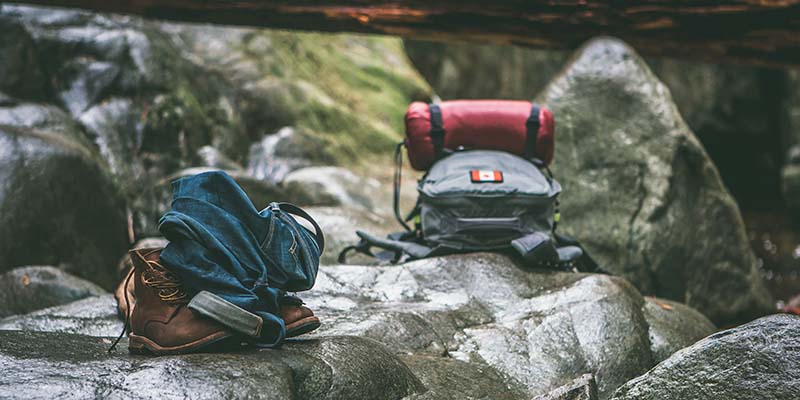
Choosing the Right Pack Size
A daypack in the 15 to 20 liter range is usually just right for a half-day hike. It’s big enough to carry what you need, but not so roomy that you end up stuffing it with things you’ll never use. Bigger packs often lead to overpacking, which just adds unnecessary weight and slows you down.
It’s easy to think extra space means better preparation, but it usually has the opposite effect. Keeping your pack smaller forces you to focus on what actually matters, which makes hiking more comfortable and efficient.
Look for a pack with a hip belt if you want to take pressure off your shoulders. Even light padding can help shift some of the weight to your hips, which makes a noticeable difference over longer distances. Exterior pockets are also useful for items you reach for often, like snacks, sunscreen, or your phone, so you don’t have to dig through everything. REI also suggests trying packs on with some weight in them before buying to see how they really feel.
Make sure to adjust the shoulder straps so the pack sits close to your back. If it hangs too loosely, it can throw off your balance, especially on uneven terrain.
Adjusting Your Pack for Conditions
In hot weather, you’ll need more water and sun protection, but fewer clothing layers. Electrolyte tablets can help prevent cramping, and a cooling towel can make a big difference in extreme heat. Only skip an emergency layer if the weather is truly stable with no chance of change.
Dehydration in warm conditions tends to sneak up on you, so it’s better to sip water regularly instead of waiting until you feel thirsty and then drinking a lot at once. Wearing lightweight, breathable clothing also helps keep your body temperature down over time.
In colder weather, you’ll want more insulation but usually won’t need as much water. Pack an extra warm layer and consider hand warmers—they’re small but very effective. It’s also smart to keep snacks closer to your body or in insulated parts of your pack so they don’t freeze and become hard to eat.
If you’re hiking on snowy or icy trails, traction devices like microspikes are worth the extra weight. At that point, they’re not just helpful—they’re essential for safety.
Want it even more casual (like blog-style) or a bit more professional/gear-guide tone?
Pack Light And Hike Happy
An average half-day ration is five to eight pounds with water and food. All these come in a small pack easily accessible. You bear what you need to be safe and comfortable without the objects that can add no value other than pulling you.
Examine your pack after each hike and see what you really used. Take away all that remained untouched after several occasions of the same circumstances. This particular pack should get lighter with time as you get to know what you personally need on the trail.
References
[1] Day Hiking Essentials - National Park Service - https://www.nps.gov/thingstodo/gumo_dayhikeprep.htm
[2] Hiking Gear Essentials - American Hiking Society - https://www.americanforests.org/article/6-hiking-essentials/
[3] How To Choose A Daypack - REI Expert Advice - https://www.rei.com/learn/expert-advice/backpack.html
Related Posts
Outdoor Gear
How to Choose the Best Camping Stove for Backpacking
Outdoor Gear
Top Down Jackets for Winter Travel and Outdoor Use
Outdoor Gear
6 Best Gaiters for Backpacking and Outdoor Adventures
Guides and Tips
Best Hiking Shoes for Comfort, Grip, and All-Day Support
Outdoor Gear
Trail Running Vs Hiking Shoes: Which Is Best For Your Hike
Guides and Tips